
Mastering Global Real Estate Development From Land to Keys
Bayonetapartment
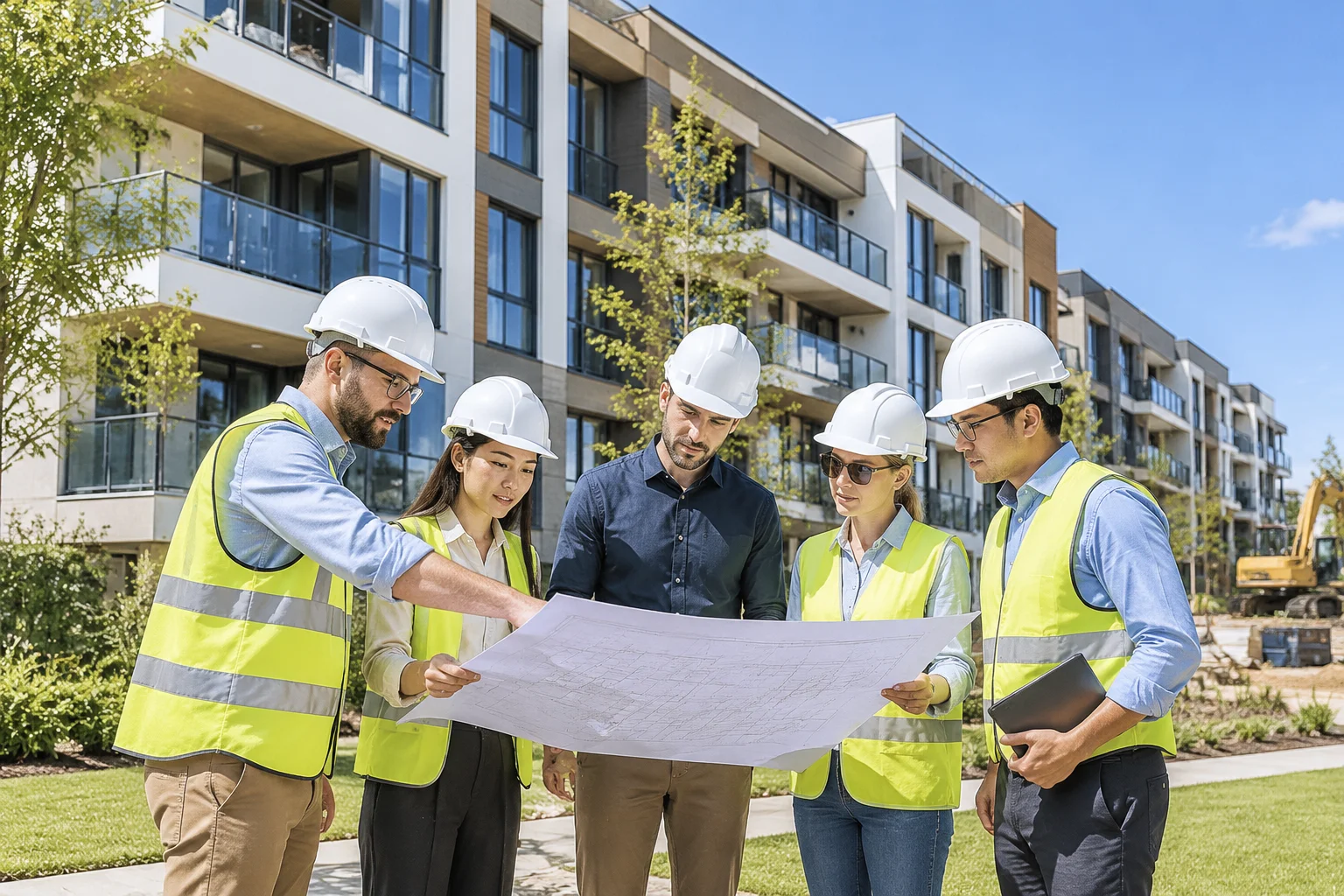
Real estate development is rarely just about pouring concrete and stacking bricks. At its core, the discipline requires an intimate understanding of geography, local regulations, human movement, and economic timing. When a piece of raw land catches an investor's eye, it usually looks like potential on a map, but unlocking that potential demands a disciplined journey through bureaucracy, design, and heavy machinery.
Many ventures fail long before the first excavator touches the soil because the initial site selection relied on guesswork rather than data. Successful building starts with looking at what is underneath the dirt, around the boundaries, and inside the regional infrastructure.
The Critical Art of Site Selection
Choosing the right plot dictates everything that follows. Soil composition, water tables, and elevation are physical realities that do not care about architectural ambitions. Ignoring them leads to costly engineering compromises later in the lifecycle of the apartment complex.
Beyond the physical dirt, regulatory landscapes shape what is possible on any given parcel. Zoning laws change across municipal borders, and navigating them requires patience and localized expertise. A plot might look perfect for a high-rise, but local restrictions might cap building heights or mandate specific green space ratios that alter the financial model entirely.
Planning Spaces for Modern Living
Once the land is secured, the drafting table becomes the center of the universe. Architects and planners must translate abstract zoning rules into livable spaces that people actually want to inhabit. Natural light, acoustic privacy, and efficient traffic flow inside the building separate mediocre developments from lasting communities.
Good planning also respects the surrounding neighborhood instead of fighting it. Buildings that integrate seamlessly into existing road networks and utility grids face fewer objections during public hearings and foster better relationships with local residents who live around the new structure.
Managing the Construction Lifecycle
Building an apartment complex involves coordinating dozens of specialized contractors, material suppliers, and safety inspectors. Delays in one trade ripple through the entire schedule, inflating budgets and pushing back delivery dates.
- Procuring certified building materials locally to reduce transit delays and environmental impact
- Executing rigorous structural audits at every foundation and framing milestone
- Enforcing strict safety protocols across every active zone on the worksite
- Maintaining transparent digital ledgers for material costs and labor hours
- Coordinating utility hookups with municipal providers months in advance
- Scheduling interior finishing teams precisely as drywall and painting wrap up
Keeping these moving parts synchronized is where experience truly matters. A seasoned project director anticipates supply chain bottlenecks and adjusts schedules before minor hiccups snowball into major crises.
Delivering the Final Product
The moment a project transitions from a construction site to a residential building is delicate. Punch lists must be cleared, mechanical systems tested under full load, and keys handed over to new owners or property managers without friction.
Ultimately, a completed apartment complex stands as a physical testament to years of planning, negotiation, and physical labor. It houses lives, anchors neighborhoods, and rewards the patience of those who trusted the development process from the very first spade in the ground.











Comments
Arthur Pendelton
Lead Architect
Helena Rostova
Site Acquisition Manager
Marcus Vance
Project Director